Water damage is rarely the result of a dramatic burst pipe. Far more often it is a slow leak that went unnoticed for weeks, quietly doing damage behind a wall or under a floor.
Knowing where leaks tend to start makes them much easier to catch early.
Air-conditioning condensate
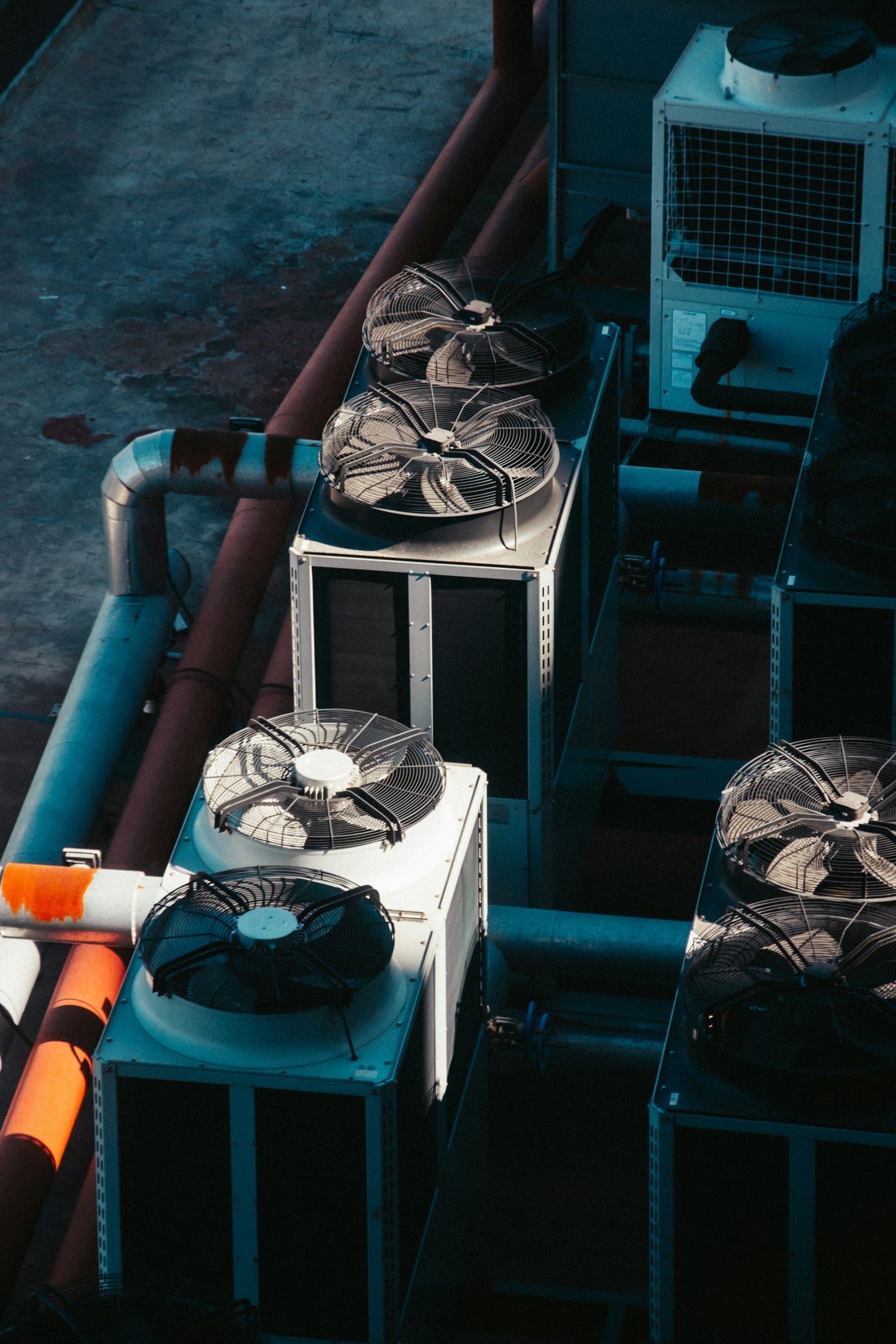
This is one of the most common sources of unexpected water in UAE properties, and it surprises people because they are not thinking about the AC as a plumbing issue.
Air conditioning removes a significant amount of moisture from the air. That water has to drain somewhere. When a drain line becomes blocked or a drip tray overflows, water appears on ceilings and walls near the indoor unit — often some distance from the unit itself.
Worth checking: staining or soft patches on a ceiling below an AC unit, and any damp smell near vents.
Failed sealant around wet areas
Sealant around baths, shower trays, basins and worktops has a finite life. Once it cracks, shrinks or lifts at the edges, water travels behind it every time the area is used.
This one is slow and easy to miss, because nothing visibly leaks — the damage shows up in the room next door or the floor below.
Worth checking: dark, lifting or crumbling sealant lines, and any tile that sounds hollow when tapped.
Concealed pipework
Pipework buried in walls or under floors is out of sight, which means a small leak can run for a long time before anything obvious appears.
Worth checking: unexplained damp patches, a warm spot on a floor, a persistent musty smell, or a water bill that has risen without an obvious reason.
Water heaters and connections
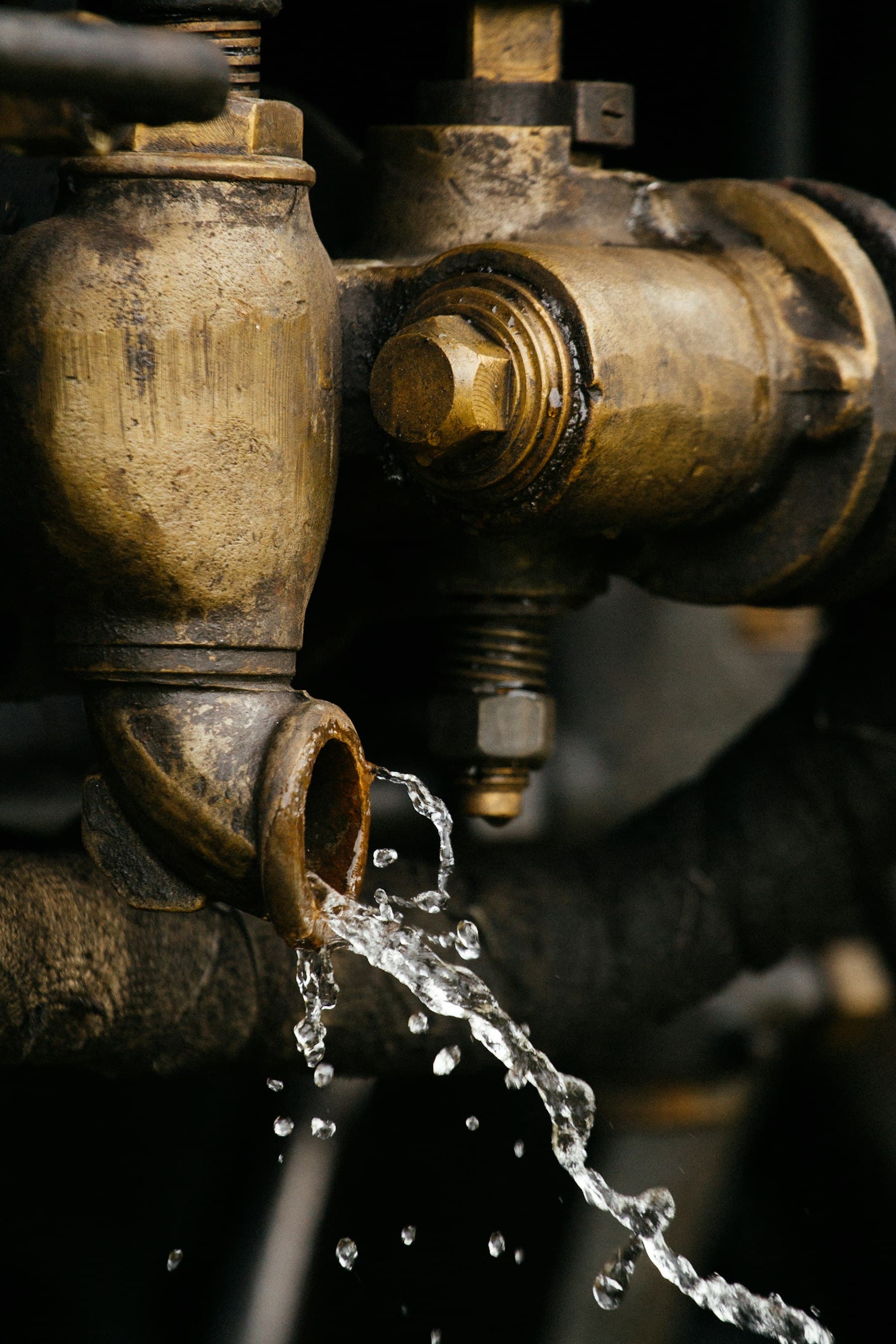
Water heaters and their surrounding connections are a common failure point, particularly where units are installed above ceilings or in service cupboards. Corrosion at fittings and slow weeping at joints are both typical.
Worth checking: rust marks, mineral deposits at joints, or moisture in the space around the unit.
Fixtures and everyday wear
Taps, waste traps, toilet fittings and flexible hoses all wear over time. These leaks are usually the easiest to spot and the easiest to fix — provided someone actually looks.
Worth checking: under-sink cabinets, which is where slow drips tend to reveal themselves first.
Catching leaks early
A short, regular walk-around covers most of this: look under sinks, check the ceilings beneath AC units and bathrooms, run your hand along sealant lines, and pay attention to smells that were not there before.
If something looks wrong and you are not sure how serious it is, it is worth having it looked at. Water problems very rarely improve on their own.
Tell us what you have found and we can advise on the next step.
Need help with your property?
Tell us what needs attention and our team can advise on the next step.